|
12th National Handloom Day
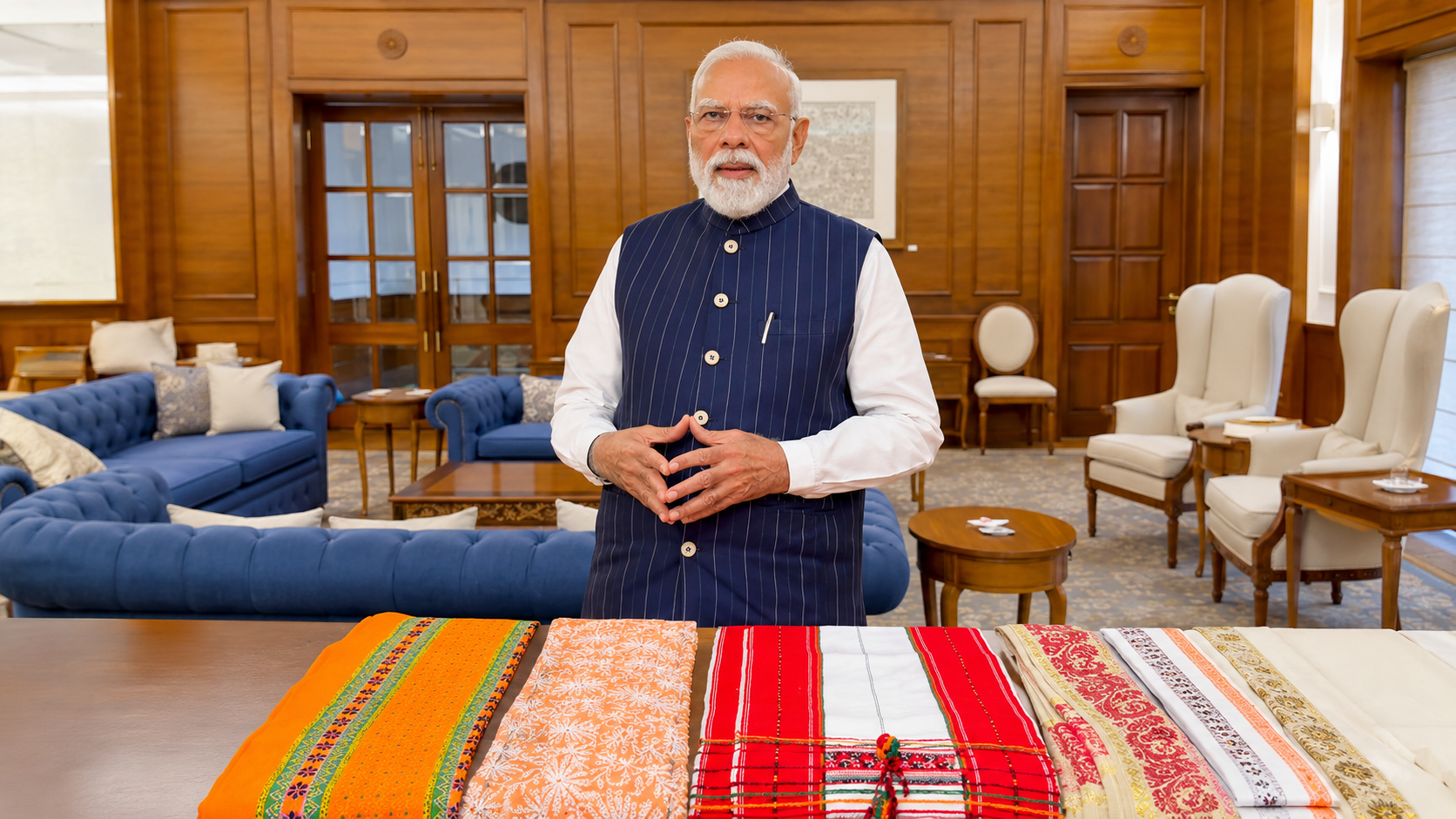
National Handloom Day is observed annually on 7 August, and the current observance marks the 12th National Handloom Day. The day commemorates the launch of the Swadeshi Movement in 1905, and the news highlights current government programmes, policy initiatives, and sector issues related to handlooms.
National Handloom Day and Handloom Sector Initiatives:
| Dimension | Key Details |
|---|---|
| Observance date | National Handloom Day applies to 7 August as the annual observance date. |
| Commemoration | The observance applies to commemorating the launch of the Swadeshi Movement in 1905. |
| Swadeshi Movement features | The Swadeshi Movement comprises the boycott of foreign goods in favour of indigenous manufacturing, and self-reliance (Atmanirbharta) as a tool of national sovereignty. |
| Government programmes | Programmes comprise the National Handloom Development Programme (NHDP), Small Cluster Development Programme (SCDP), and Mega Cluster Development Programme for strengthening weaver welfare, infrastructure, productivity, and market linkages. |
| Union Budget 2026-27 policy initiatives | The Union Budget 2026-27 comprises the National Fibre Scheme, Textile Expansion & Employment Scheme, National Handloom & Handicraft Programme, and Mahatma Gandhi Gram Swaraj Initiative. |
| Finance and welfare measures | Initiatives comprise Handloom Marketing Assistance, Weaver MUDRA Scheme, PMJJBY and PMSBY insurance, and education scholarships for weavers' children. |
| Quality and market access measures | Measures comprise Handloom Mark, India Handloom Brand, GI protection, the Handlooms Act, 1985, GeM and Indiahandmade portal, and GST regulated at 5% on selected handloom products. |
| Importance | Importance comprises a sustainable, low-carbon circular economy and globally valued Handmade in India products under Brand India. |
| Challenges | Challenges comprise powerloom imitation and counterfeiting; low incomes, wage disparities, and limited access to affordable credit; traditional looms, high raw material costs, and low productivity; weak direct market access and dependence on middlemen. |
| Technology and market integration | Sector momentum comprises technology-led modernization, global market branding via traceability tools including blockchain, and direct digital market integration. |