|
7th Draft Western Ghats Eco-Sensitive Area Notification
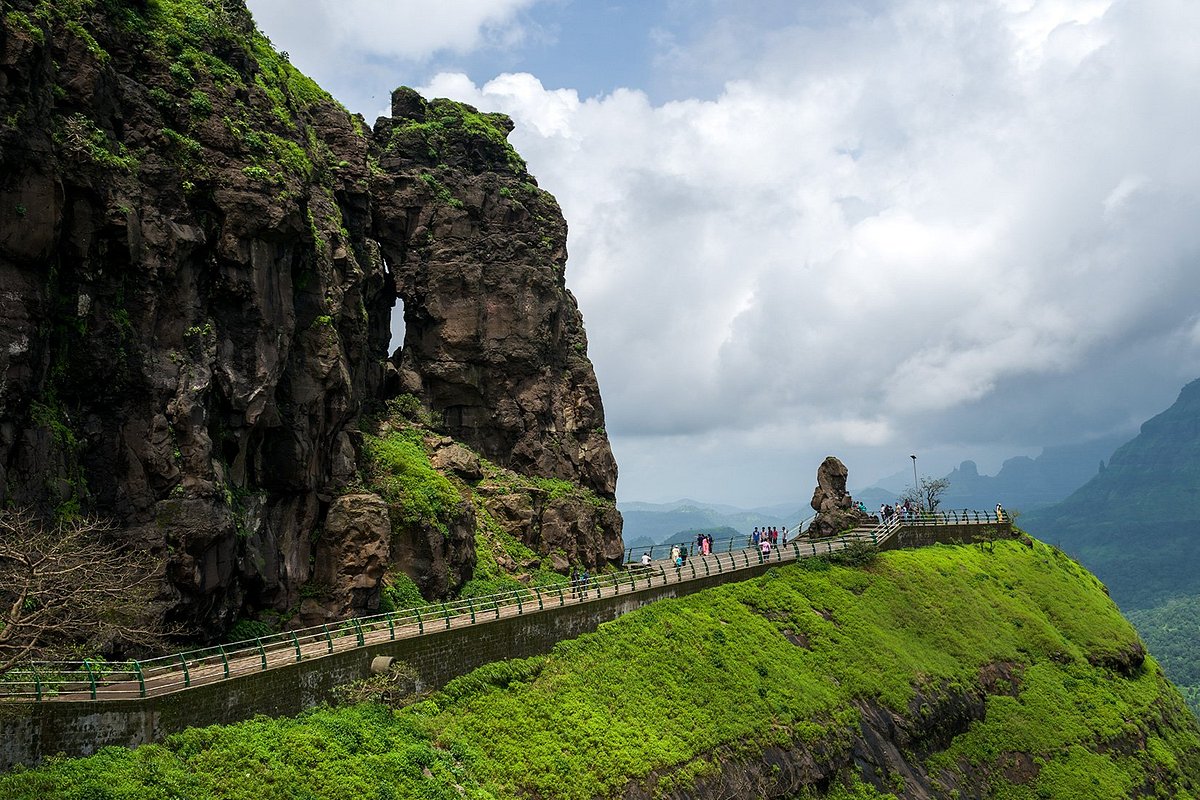
The Environment Ministry reissues the 7th draft notification on the Western Ghats Eco-Sensitive Area (ESA), reflecting disputes with 6 states over village inclusion and balancing conservation with development.cThe latest draft remains open for public objections for 60 days, and it retains the same area, state-wise extent, and regulatory provisions as the July 2024 draft.
7th Draft Western Ghats Eco-Sensitive Area (ESA) Notification:
| Dimension | Key Details |
|---|---|
| Issuing authority | The draft notification is reissued by the Environment Ministry. |
| Draft status | The notification comprises the 7th draft in a decade. |
| Public consultation window | The latest draft remains open for public objections for 60 days. |
| Extent and coverage | The ESA proposed comprises 56,825.7 sq. km across 6 states: Karnataka, Maharashtra, Kerala, Tamil Nadu, Goa, and Gujarat. |
| Largest state share | Karnataka has the largest ESA share as per the current draft. |
| Activities prohibited | Prohibited activities comprise mining, quarrying, sand mining, new thermal power plants, certain industries, and large construction projects. |
| Activities regulated | Regulated activities comprise hydel power generation and other development projects. |
| State concerns | Concerns comprise impact on agriculture and plantations, infrastructure and development curbs, and disputes over village names and areas proposed for inclusion. |
| Objection examination mechanism | An expert committee (2022) still examines objections regarding village inclusion. |
| Kerala example cited | In Kerala’s Wayanad district, 13 villages across Mananthavady, Sulthan Bathery, and Vythiri taluks continue to be listed despite earlier protests. |
| Continuity with previous draft | The latest draft provides for no substantive changes, and the area, state-wise extent, and regulatory provisions remain the same as the July 2024 draft. |
| Western Ghats designation | The Western Ghats comprises a UNESCO World Heritage Site, a biodiversity hotspot, and a source of major rivers. |
| Committees referenced (2011, 2013) | The 2011 Gadgil Committee recommends the entire 1,29,000 sq. km Western Ghats as ESA with graded protection, and the 2013 Kasturirangan Committee suggests 37% of the Western Ghats (59,940 sq. km) as ESA focusing on natural landscapes. |
| Successive drafts timeline | Successive drafts since 2014 comprise repeated attempts to balance conservation with state concerns. |