|
Blue Economy in Southeast Asia
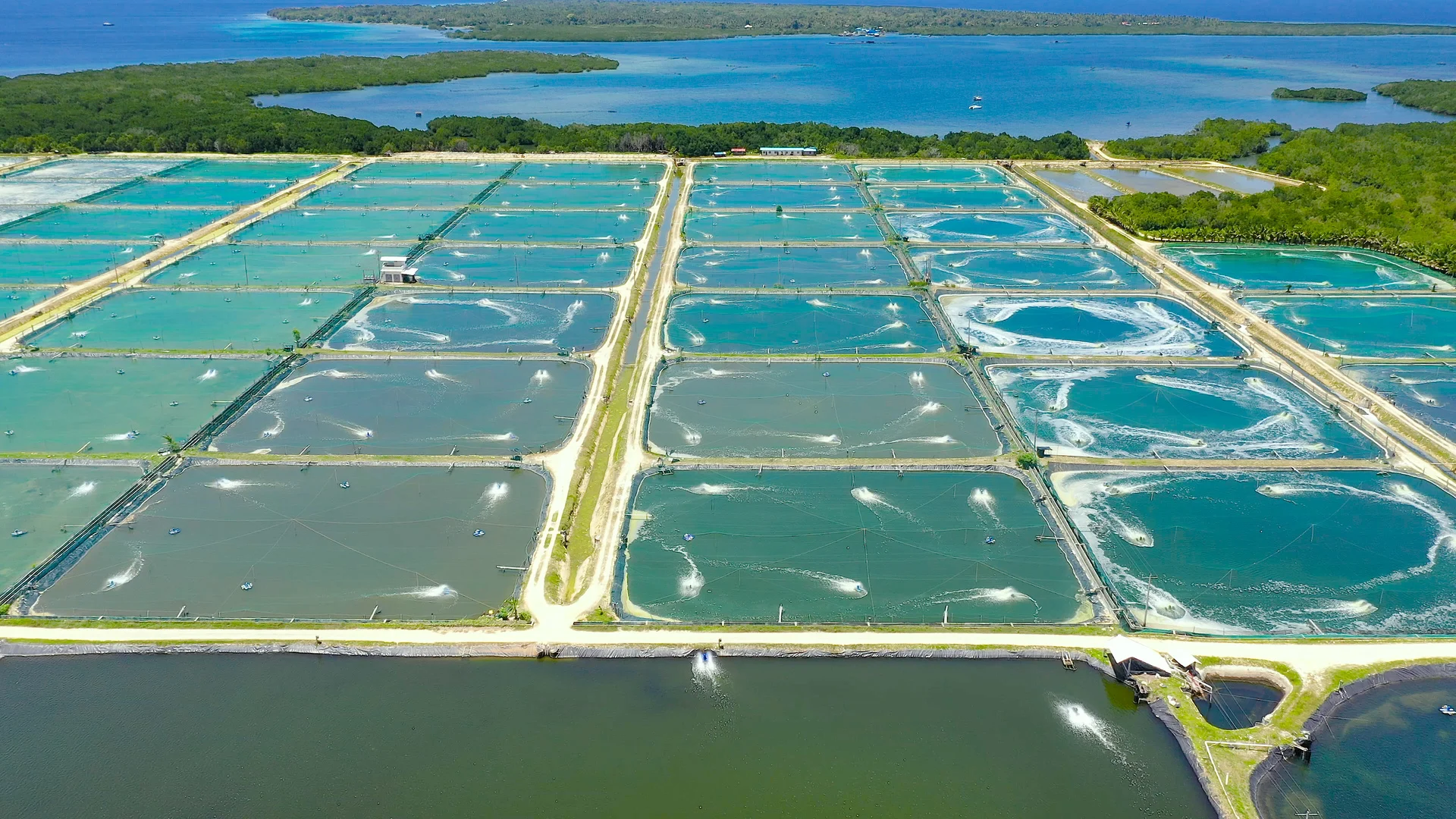
An Organisation for Economic Co-operation and Development (OECD) report states that Southeast Asia emerges as the world’s 4th-largest economic bloc in 2024. The report flags that rising environmental damage and poor investment threaten the region’s blue economy, marine ecosystems, and livelihoods.
Blue Economy and OECD Report: Southeast Asia
| Dimension | Key Details |
|---|---|
| OECD report | The OECD report states that Southeast Asia emerges as the world’s 4th-largest economic bloc in 2024. |
| Blue Economy | The blue economy comprises the sustainable use and protection of ocean, sea, and coastal resources to drive economic growth, improve jobs, and protect marine health. |
| Key sectors | The blue economy comprises fisheries, aquaculture, shipping, tourism, and marine conservation. |
| OECD warning | The OECD warns the ocean economy faces rising environmental damage and poor investment, threatening sustainability. |
| Regional impact flagged | The report warns that environmental and investment pressures threaten marine ecosystems and livelihoods across Southeast Asia. |
| Southeast Asian nations covered | The Southeast Asian nations comprise Brunei, Cambodia, Indonesia, Laos, Malaysia, Myanmar, the Philippines, Singapore, Thailand, Timor‑Leste, and Vietnam. |
| Environmental pressures | Environmental pressures comprise overfishing, habitat destruction, and pollution eroding ocean health. |
| Climate change impacts | Climate change impacts comprise rising sea levels, stronger storms, and warming oceans damaging mangroves, coral reefs, and seagrass beds. |
| Livelihood and ecosystem impacts | The report warns that pressures threaten biodiversity, coastal protection, and economic activities. |
| Financing gap | Requirement is nearly $2.1 trillion by 2030 for sustainable ocean management and climate adaptation. |
| Blended finance | The OECD recommends expanding blended finance, combining public and private investment to reduce risks. |
| Governance needs | The OECD recommends strong policies, institutional capacity, ecosystem‑based adaptation, and better coastal planning. |
| Innovative mechanisms | Innovative mechanisms comprise blue bonds, debt‑for‑nature swaps, blue carbon markets, sustainability‑linked loans, guarantee mechanisms, and parametric insurance. |