|
Corbett Tiger Reserve, Uttarakhand
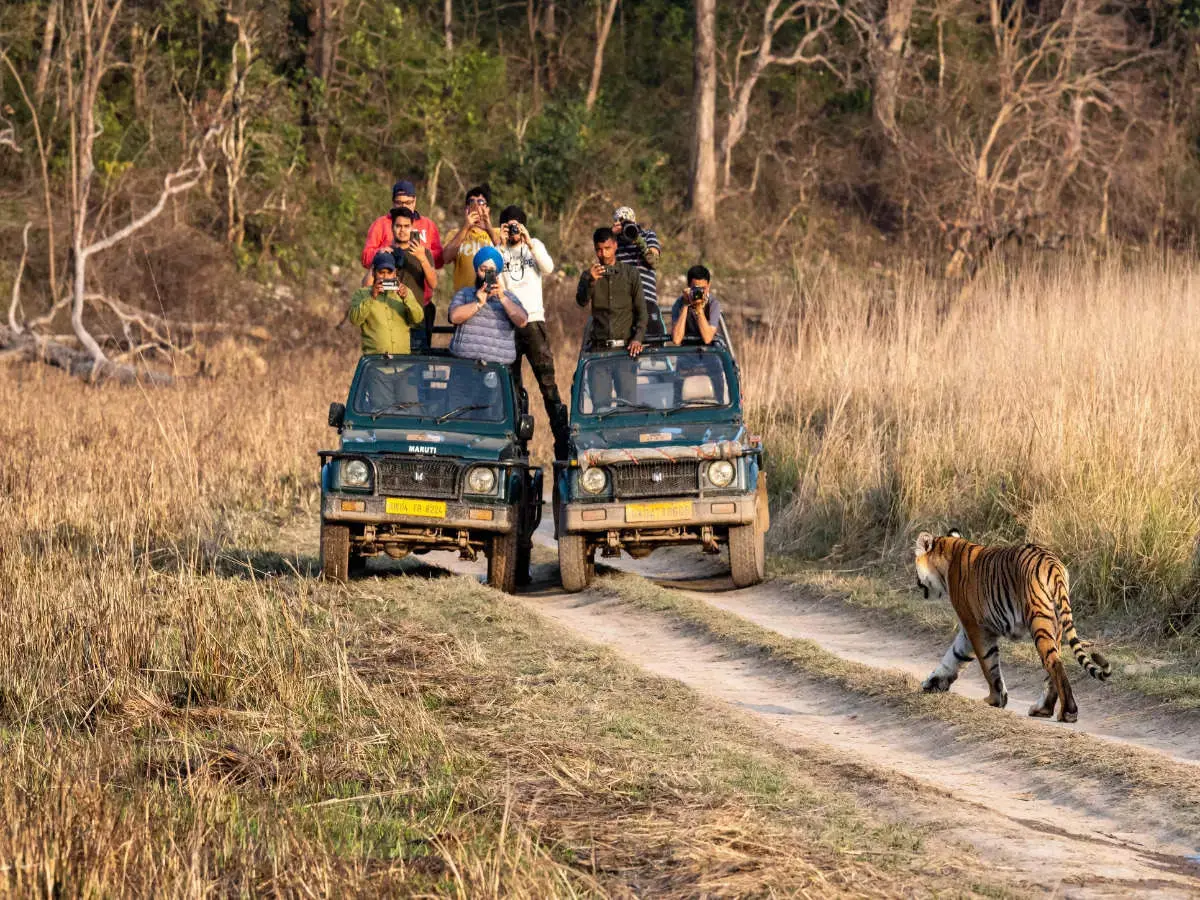
A tiger named Bhola, popular among tourists in the Phato zone of Corbett Tiger Reserve (CTR), dies in Uttarakhand. The report highlights key factual features of Corbett Tiger Reserve, including its location, terrain, rivers, vegetation, and fauna.
Corbett Tiger Reserve (CTR), Uttarakhand:
| Dimension | Key Details |
|---|---|
| Location | CTR is located on the foothills of the Himalayas in Uttarakhand. |
| Original establishment | CTR is originally established as Hailey National Park in 1936. |
| Notable distinctions | CTR is the first national park in India, and it is the first to come under the Project Tiger initiative. |
| Physiographic spread | CTR is spread over the Bhabar and lower Shivalik regions with a deep-water table. |
| Terrain | The terrain is undulating with several valleys. |
| Rivers | The rivers Ramganga, Pallaen, and Sonanadi flow through the valleys. |
| Forest types | The vegetation comprises North Indian tropical moist deciduous forests and tropical dry deciduous forests. |
| Vegetation composition | The vegetation comprises sal and mixed forests, interspersed with grass lands and riparian vegetation. |
| Grasslands (local name) | The grasslands are locally known as ‘Chaur’, which are an outcome of abandoned settlements or past clearings. |
| Flora | Evergreen Sal and its combined trees, the Sheesham, and the Kanju are found extensively on the ridges. |
| Fauna | Fauna comprises tigers, elephants, leopards, sambar, hog deer, and spotted deer. |