|
Draft SHANTI Rules 2026 Released by Department of Atomic Energy
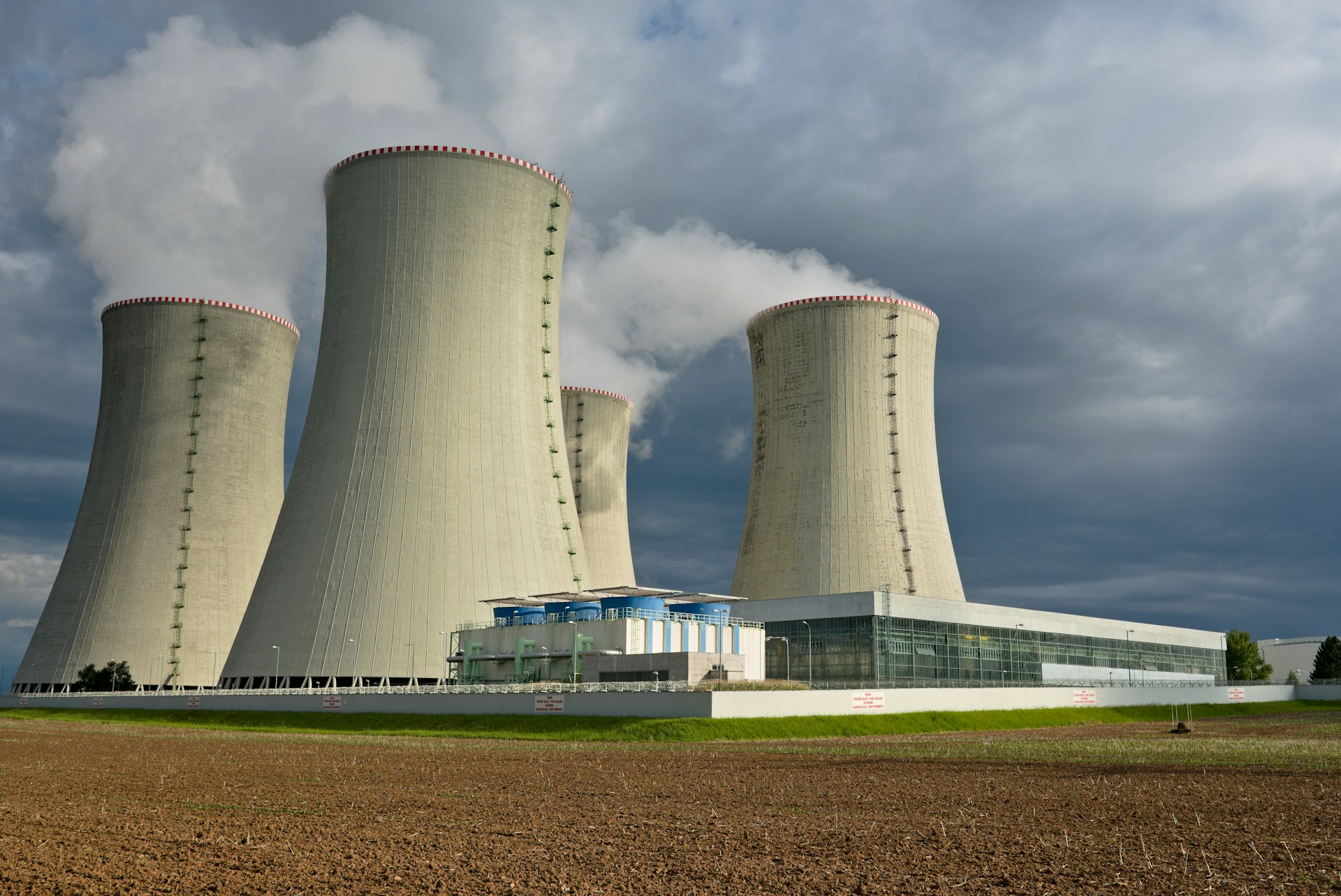
The Department of Atomic Energy releases draft SHANTI Rules and Regulations 2026 for public feedback. The SHANTI Act, 2025 replaces the Atomic Energy Act, 1962, and the Civil Liability for Nuclear Damage (CLND) Act, 2010. The draft rules regulate private participation, liability arrangements, licensing, and foreign technology and investment conditions in the nuclear sector.
Draft SHANTI Rules and Regulations 2026:
| Dimension | Key Details |
|---|---|
| Capacity targets | The draft framework comprises targets of 100 GW nuclear energy capacity by 2047, and at least 5 indigenous Small Modular Reactors (SMRs) by 2033. |
| SMR specification | Small Modular Reactors (SMRs) comprise units of up to 300 MW each. |
| Private sector activities authorised | Private companies and joint ventures can now: build, own, operate, and decommission nuclear power plants; conduct nuclear R&D and manufacture nuclear fuel; utilise ionising radiation for non-energy sectors including healthcare, agriculture, and industry. |
| Government-exclusive activities | The government retains exclusive control over: uranium and thorium enrichment and isotopic separation; spent-fuel management; heavy water production. |
| Operator liability structure | A capacity-linked structure applies: large reactors (>3,600 MW thermal) have operator liability capped at ₹3,000 crore; small reactors (up to 150 MW thermal) have operator liability tapering down to ₹100 crore. |
| State backstop | If damages exceed the operator liability limit, the government will step in. |
| Nuclear Liability Fund | A Nuclear Liability Fund funded through electricity tariffs will be set up and reviewed every 5 years to account for inflation, technology shifts, and market scale. |
| Liability scope | Liability covers risks through the entire lifecycle, including active operations, spent fuel, radioactive waste, and decommissioning. |
| Foreign technology and investment conditions | Foreign technology and foreign investment are authorised, provided the reactor design is certified by the nuclear regulatory authority in its country of origin, and is already operational in that country or elsewhere globally. |
| Single composite license | A single composite license merges permissions for building, owning, operating, and decommissioning nuclear power plants into a single process. |
| In-principle approvals | The licensing framework provides for in-principle approvals for early regulatory confirmation before finalising all project details. |
| Licensing hold points | The framework mandates regulatory check-ins at critical milestones, including prior to construction start and prior to initial fuel loading. |
| Regulatory body | The Atomic Energy Regulatory Board (AERB) serves as the primary enforcement and regulatory agency. |