|
Ghatiana Karnataka Discovered in Mookambika Wildlife Sanctuary
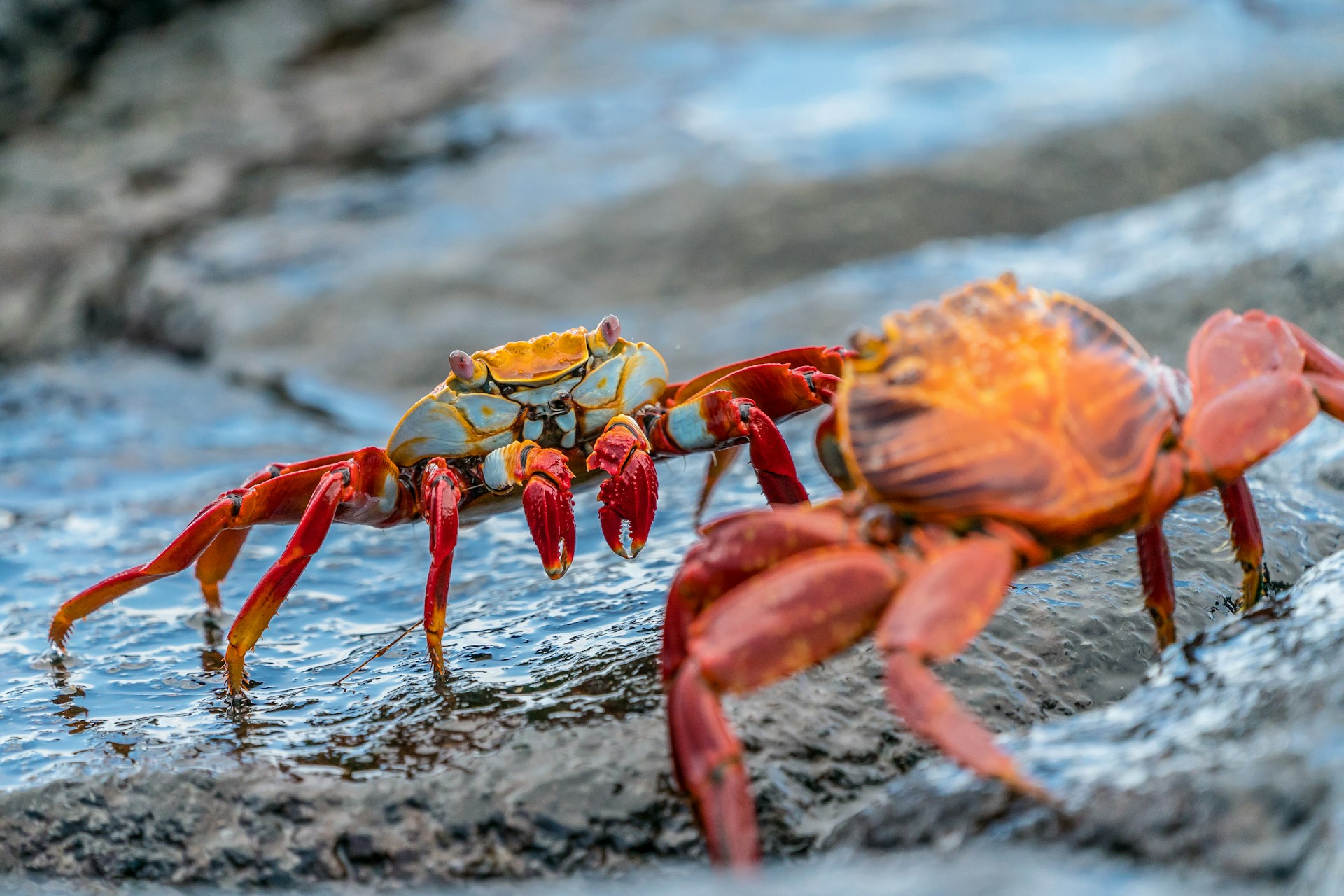
Ghatiana karnataka, a new species of freshwater crab, has been discovered at Mookambika Wildlife Sanctuary in Udupi district, Karnataka. The discovery reports its taxonomy, appearance, year-round sightings, habitat preferences, and bio-indicator relevance, along with key features of the sanctuary.
Ghatiana karnataka and Mookambika Wildlife Sanctuary:
| Dimension | Key Details |
|---|---|
| Taxonomy (family) | Taxonomic placement comprises the Ghatiana family. |
| Western Ghats count and endemicity | Species discovery record comprises 15 Ghatiana species in the Western Ghats, with 8 endemic to Karnataka, including Ghatiana karnataka. |
| Appearance (male) | Male morphology comprises a dark-purple body, a light-pink to mauve V-shaped mark on the carapace, and light-pink claws. |
| Appearance (female) | Female morphology comprises a grey-violet front and a dark grey-brown rear. |
| Seasonal activity | Year-round activity comprises sightings across all seasons, unlike other Ghatiana crabs that hide or are hard to find in dry periods. |
| Habitat | Habitat comprises areas near perennial streams in evergreen and semi-evergreen forests. |
| Shelter pattern | Shelter use comprises laterite rocks during the monsoon, and moist tree cavities or rock crevices during other seasons. |
| Bio-indicator relevance | Bio-indicator relevance comprises freshwater crabs being highly sensitive to habitat degradation and pollution, and the thriving presence of Ghatiana karnataka indicating an unpolluted, pristine forest ecosystem. |
| Mookambika WLS core feature | Core location comprises Kodachadri Peak. |
| Mookambika WLS waterfalls | Waterfall features comprise Koosalli Waterfalls, Belkal Theertha Waterfalls, and Hidlumane Falls. |
| Mookambika WLS rivers | River system comprises River Chakra and River Souparnika passing through the sanctuary. |
| Mookambika WLS fauna | Faunal presence comprises endangered lion-tailed macaque and slender loris, alongside leopards, tigers, sloth bears, and sambar deer. |