|
ICMM Report 2026
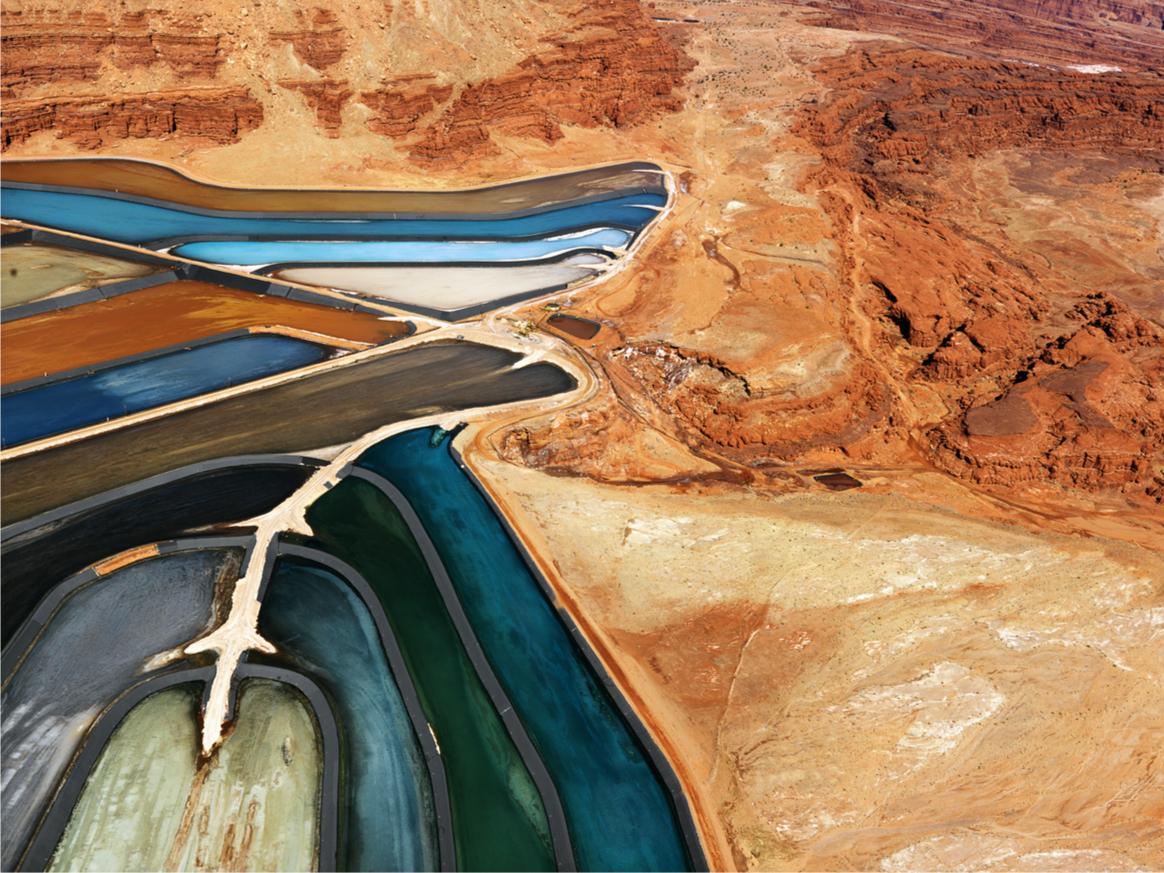
The International Council on Mining and Metals (ICMM) issues a new report stating that nearly two-thirds of the world’s mining and metals facilities face at least 1 significant physical water risk. The study covers more than 12,000 facilities across 148 countries and regions and maps physical water-risk indicators and compound-risk hotspots for the sector.
ICMM Report 2026 :
| Dimension | Key Details |
|---|---|
| Issuing organisation | The report is issued by the International Council on Mining and Metals (ICMM). |
| Study coverage | The study comprises more than 12,000 facilities across 148 countries and regions. |
| Overall exposure finding | At least 1 significant physical water risk applies to nearly two-thirds of the world’s mining and metals facilities. |
| Most common risk | Baseline water stress applies to 38% of facilities. |
| Drought risk | Drought risk applies to 27% of facilities globally. |
| Physical water risk indicators assessed | The assessment comprises 5 physical water risk indicators: Floods, Droughts, Baseline water stress, Baseline water depletion, and Interannual variability. |
| Compound water-risk hotspots | Compound water-risk hotspots comprise Chile, Peru, southern Africa, northern China, central India, western Australia, and the western United States. |
| Nature of analysis | The report is the first comprehensive cross-commodity analysis of water risks across the mining and metals sector. |
| Flood exposure | Flood exposure is particularly pronounced for alumina, aluminum, steel, and molybdenum production facilities. |
| ICMM profile | The International Council on Mining and Metals has been founded in 2001 as a CEO-led leadership organisation on the premise of improving sustainable development in the mining and metals industry. |