|
IEA Electricity Mid-Year Update 2026
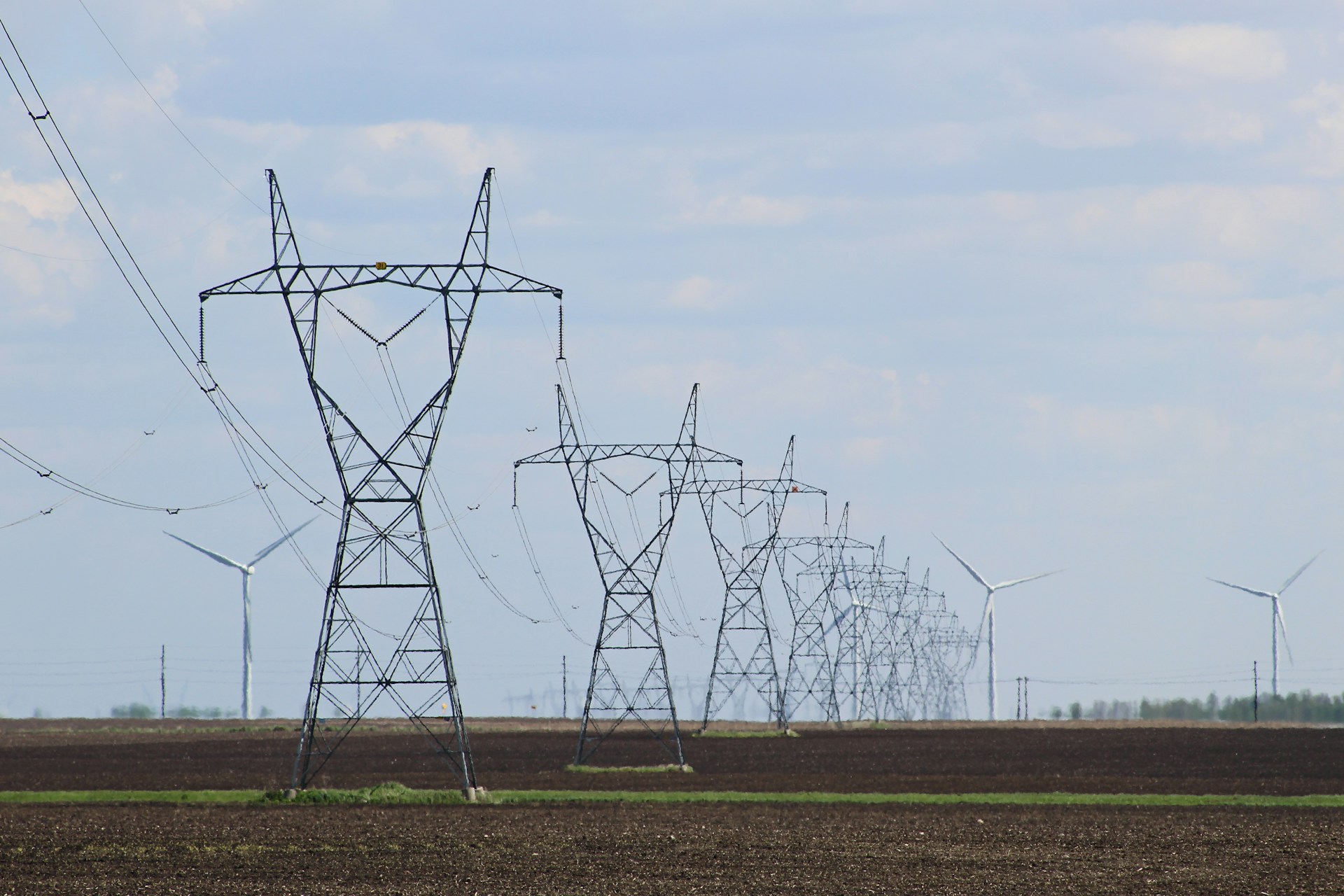
The International Energy Agency (IEA) releases its Electricity Mid-Year Update 2026, projecting global electricity consumption to rise from 28,600 terawatt hours in 2025 to 30,700 terawatt hours by 2027. The update states renewable electricity generation is set to overtake coal globally in 2026, and provides forecasts on solar PV, wind, gas-fired generation, nuclear power, and India’s electricity demand trends.
IEA Electricity Mid-Year Update 2026:
| Dimension | Key Details |
|---|---|
| Report and projection | The IEA’s Electricity Mid-Year Update 2026 provides that global electricity consumption is projected to rise from 28,600 terawatt hours in 2025 to 30,700 terawatt hours by 2027. |
| Renewables versus coal | Renewable electricity generation is set to overtake coal globally in 2026, after reaching near parity in 2025. |
| Drivers of demand growth | Electricity consumption growth is driven by industry, electric vehicles, cooling, appliances, and data centres. |
| Largest contributor to supply growth | Solar photovoltaic power remains the largest contributor to global electricity supply growth. |
| Solar PV position among renewables | Solar PV is to surpass wind power and become the world’s second-largest renewable electricity source after hydropower. |
| Gas-fired generation outlook | Global gas-fired electricity generation is forecast to remain broadly unchanged in 2026, breaking the growth trend seen through much of the past decade. |
| Nuclear generation outlook | Nuclear power generation is expected to rise in 2026 and accelerate in 2027, supported by new reactors coming online in China and India, and strong output in the United States and France. |
| India electricity demand forecast | India’s electricity demand is forecast to rebound by 7% in 2026, supported by industrial activity, services growth, and heatwave-driven cooling demand. |
| India variable renewable milestone (July) | India has crossed 100 GW of variable renewable energy supply for the first time in July, even as rising evening peaks continue to strain the grid. |
| India evening peak implication | Rapidly rising evening peak demand requires coal and gas-fired plants to increase generation. |
| India solar PV and wind growth (H1 2026) | India’s combined solar PV and wind generation has risen by more than 25% during the first half of 2026. |
| India share in total power supply | India’s combined solar PV and wind share in total power supply reaches 42.79%, the highest recorded so far. |
| Instantaneous VRE generation | Instantaneous ground-mounted variable renewable energy generation touches an all-time high of 103 GW. |
| Renewables share range | Renewable energy’s share ranges between 35% and 42%. |
| Non-fossil share | When hydropower and nuclear power are included, non-fossil sources account for nearly half of total electricity supply. |
| IEA status and headquarters | The International Energy Agency (IEA) is a Paris-based autonomous intergovernmental organization, established in 1974. |
| IEA core functions | The IEA provides policy recommendations, analysis, and data on the global energy sector. |
| IEA membership numbers and share | The 32 member countries and 13 association countries of the IEA represent 75% of global energy demand. |
| IEA institutional framework | The IEA is set up under the framework of the Organization for Economic Co-operation and Development (OECD) in the aftermath of the 1973 oil crisis. |
| IEA publications | IEA publications include the annual World Energy Outlook, and the Net Zero by 2050 report. |
| IEA members and Paris Agreement | All IEA member countries have signed the Paris Agreement which aims to limit warming to 1.5 °C, and two thirds of IEA member governments have made commitments to emission neutrality by 2050. |
| United States and withdrawal | The United States has withdrawn twice. |
| India IEA association status | India officially declares its “Association” status with the IEA on March 30, 2017. |
| Brazil membership process | In July 2025, Brazil starts the process to become a member country. |
| IEA programme and priority countries | Clean Energy Transitions Programme of IEA identifies Brazil, China, India, Indonesia, Mexico, and South Africa as priority countries. |