|
India at COP17 calls for proactive, tech-enabled drought resilience
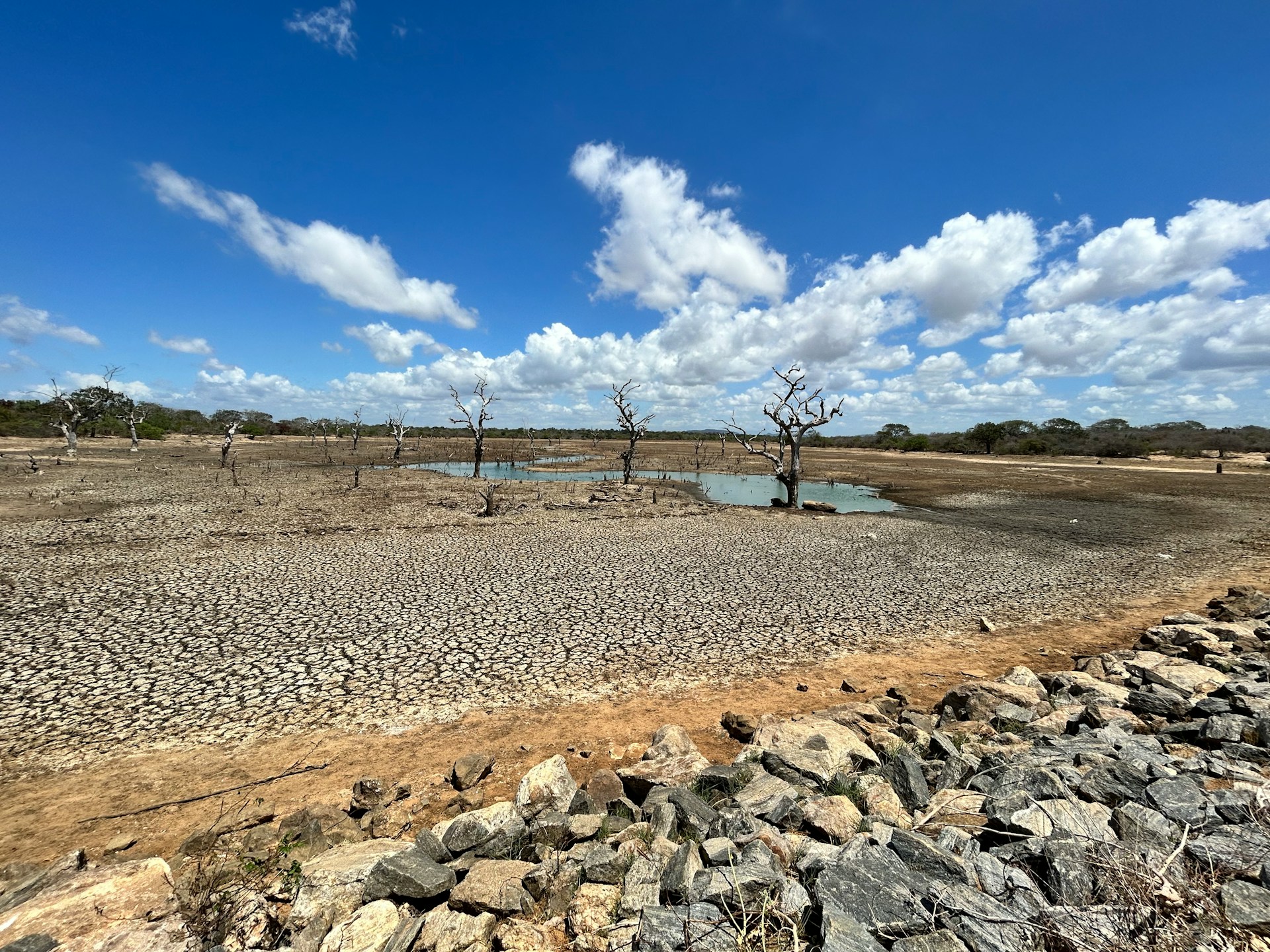
India calls for a shift from reactive drought response to proactive, technology-enabled drought resilience at UNCCD COP17 in Ulaanbaatar, Mongolia. India urges strengthening early warning systems, watershed restoration, and climate-resilient agriculture, and flags support mechanisms such as earmarked disaster funds, employment guarantees, and emergency water supplies.
India at UNCCD COP17:
| Dimension | Key Details |
|---|---|
| India’s call: drought-prone areas | India calls for measures in drought-prone areas including watershed restoration, climate-resilient cropping, and stronger early warning systems. |
| India’s call: support mechanisms | India states drought resilience is supported by disaster funds earmarked for droughts, employment guarantees, and emergency water supplies. |
| Drought-prone area estimate | Approximately 68% of India’s total sown area is drought-prone. |
| Guiding authorities for drought management | India’s approach to drought management is guided by the National Disaster Management Authority (NDMA), the Ministry of Agriculture and Farmers’ Welfare, and the Ministry of Jal Shakti. |
| Drought warning system support | The drought warning system is supported by space-based drought forecasting from the India Meteorological Department and the Mahalanobis National Crop Forecast Centre. |
| Intended operational outcome | These systems are intended to ensure that a ‘dry spell’ or rainfall deficit does not immediately translate into a drought situation. |
| Atal Bhujal Yojana | Atal Bhujal Yojana, introduced in 2019, focuses on community-led groundwater management. |
| Pradhan Mantri Krishi Sinchayee Yojana | Pradhan Mantri Krishi Sinchayee Yojana, introduced in 2015, provides for improving access to water for farmland through check dams, bunds, and other water-conservation measures. |
| Supplementary measures for farmers | Supplementary measures comprise crop insurance to reduce financial pressure on farmers in the event of drought-related crop losses and reduced incomes. |