|
India holds bilateral talks with South Asian counterparts in Mongolia
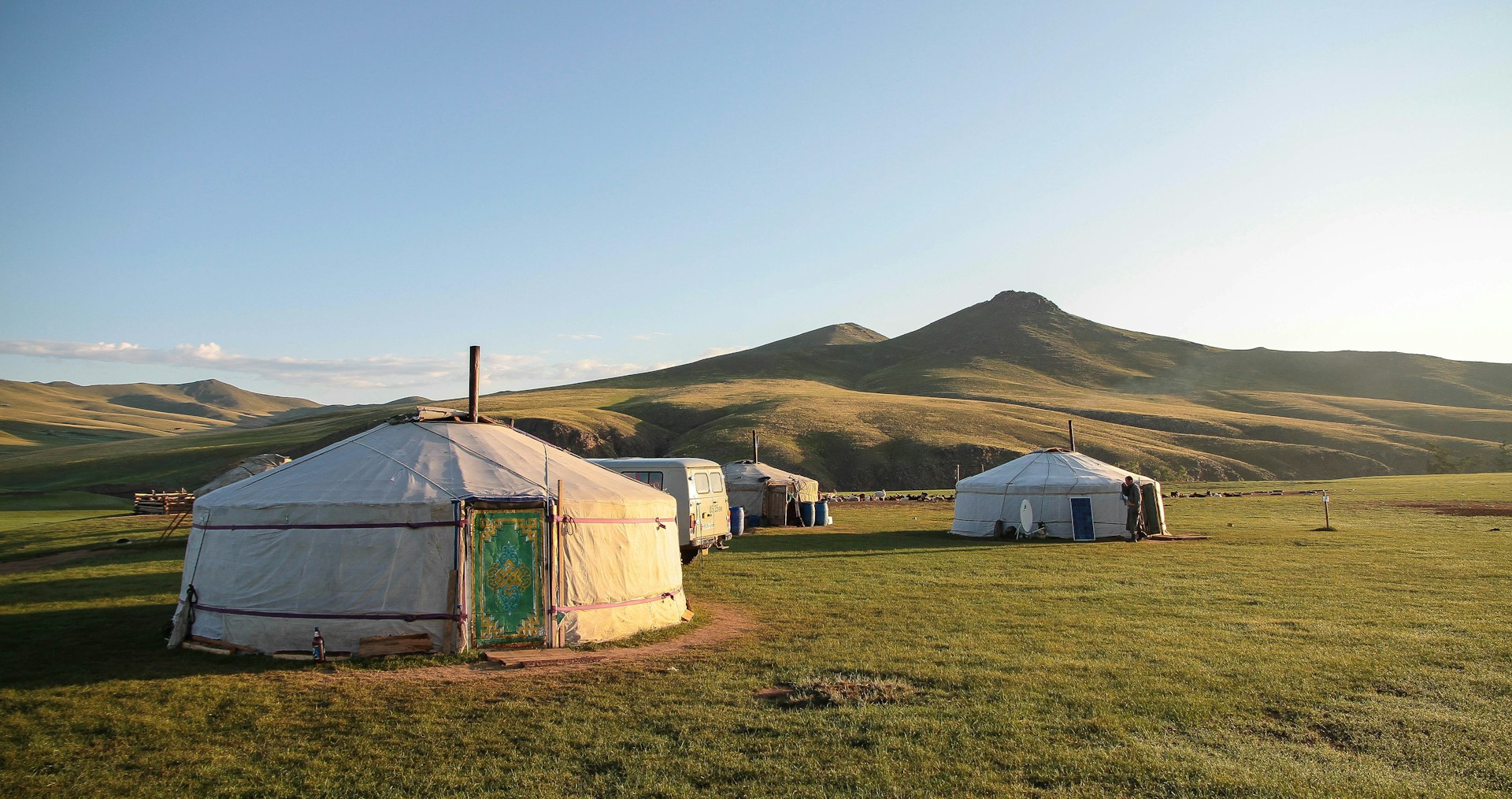
The Union Environment, Forest and Climate Change holds high-level bilateral meetings with South Asian counterparts on the sidelines of the 17th session of the Conference of the Parties to the United Nations Convention to Combat Desertification at Ulaanbaatar, Mongolia. The event brings Mongolia-related location, borders, capital, and key geographical features into current focus.
Mongolia:
| Dimension | Key Details |
|---|---|
| Location | Mongolia is a landlocked country located in north-central Asia. |
| Bordering countries | Mongolia is bordered by two nations: China (South) and Russia (North). |
| Capital city | Ulaanbaatar is the capital city of Mongolia. |
| Climate | Mongolia has a continental climate because of its high latitude and elevation and distance from oceans. |
| Vegetation zones | Mongolia has four main vegetation zones: forest-steppe, steppe, semidesert, and desert. |
| Major mountains | Major mountain ranges comprise the Khentii Mountains, Khangai Mountains, and the Altay Mountains. |
| Highest point | The highest point of Mongolia is Nayramadlin Orgil at 14,350 ft. (4,374 m). |
| Major river | Orkhon River is a major river, and the Orkhon River valley is inscribed by UNESCO in the World Heritage List. |
| Major lake | Hovsgol Nuur, one of Asia’s largest freshwater lakes, is located on Mongolia’s border with the Russian Federation. |
| Natural resources | Mongolia possesses large deposits of coal and fluorite (fluorspar) and of copper, gold, silver, and other metallic ores. |