|
India Reports 68 Renewable Grid Disturbances
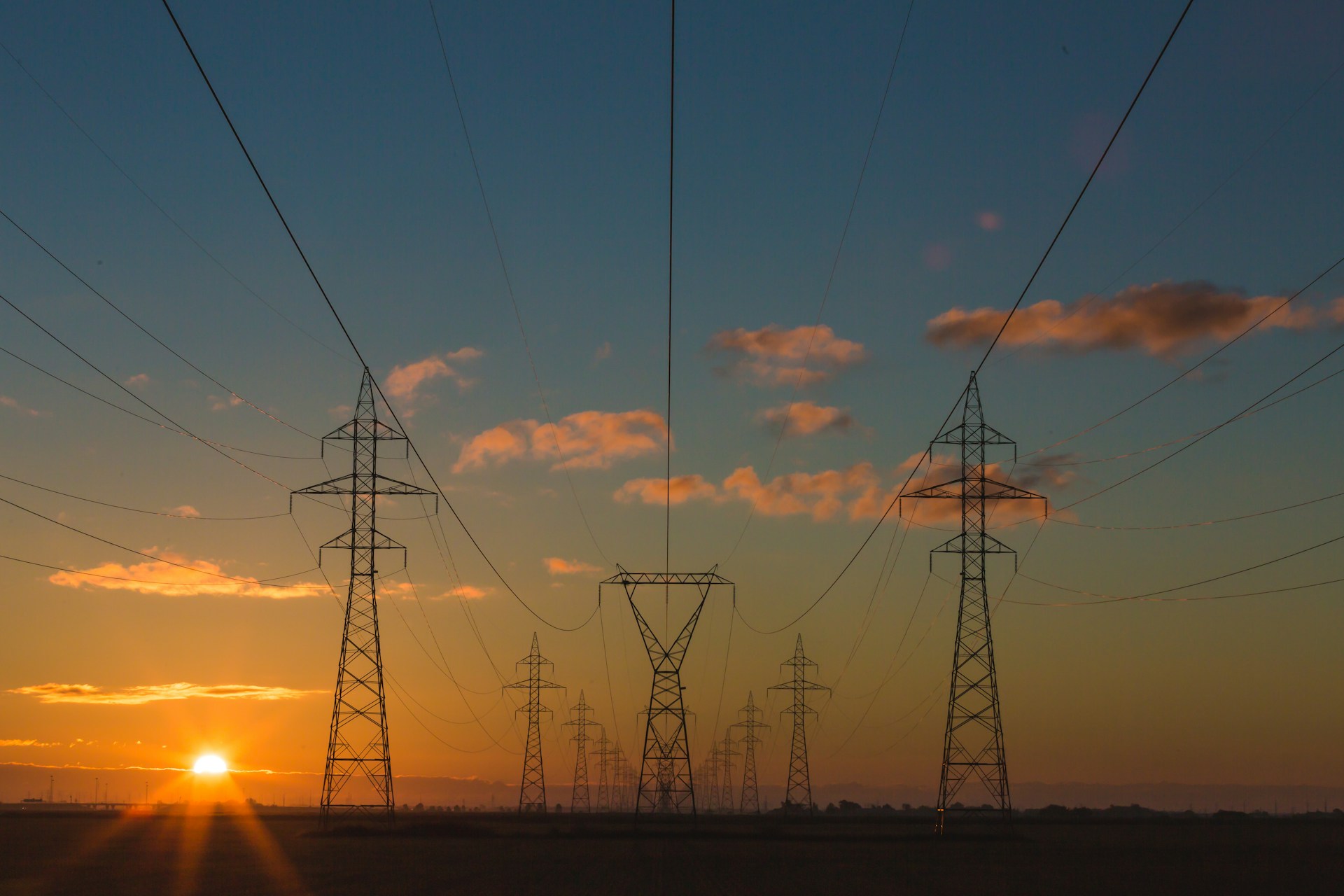
India reports 68 renewable grid disturbances between January 2022 and June 2025, causing 1-7 GW losses and occurring mainly in Rajasthan and Gujarat. The reported disturbances highlight issues in renewable integration, including variable output, technical non-compliance with grid standards, and system frequency instability.
Renewable Grid Disturbances in India (Jan 2022-Jun 2025):
| Dimension | Key Details |
|---|---|
| Cause: Variable renewable output | Solar and wind generation changes rapidly with weather, creating sudden supply fluctuations. |
| Cause: Technical non-compliance | Some generators fail to meet Low Voltage Ride Through (LVRT) and High Voltage Ride Through (HVRT) standards. |
| LVRT and HVRT standards | LVRT and HVRT are standards to keep generators connected during voltage disturbances. |
| Cause: System frequency issues | Sudden changes in renewable output affect grid stability. |
| Technology solution | STATCOMs (Static Synchronous Compensators) can provide rapid voltage support. |
| Installed capacity | India reaches 548 GW installed capacity by July 2026. |
| Renewable capacities | Solar capacity stands at 162 GW, and wind capacity stands at 47 GW. |
| Renewables growth | Renewables record over 200% growth in a decade. |
| Distributed solar addition (FY 2026) | Of 44.61 GW added in FY 2026, 16.3 GW comprises distributed solar under PM-KUSUM and rooftop. |
| Transmission planning target | Government planning provides for transmission for 500 GW non-fossil capacity by 2030. |
| Government measures mentioned | Interstate charge waivers and renewable purchase obligations support expansion. |
| Storage requirement (as stated) | Energy storage requirement stands at USD 1.15 trillion (2025-2050) and USD 3.3 trillion (2051-2070). |
| Peak demand change | Peak demand rises from 242.77 GW (June 2025) to 270.8 GW (May 2026). |
| Demand projection: CEA | CEA projects 459 GW by 2034-35. |
| Demand projection: global estimates | Global estimates suggest 700 GW by 2047. |
| New load: EVs | EVs may account for 6-9% of consumption by 2035. |
| New load: data centres | Data centres could require 14-30 GW by the early 2030s. |