|
Laokhowa Wildlife Sanctuary Records First Sighting of Smew
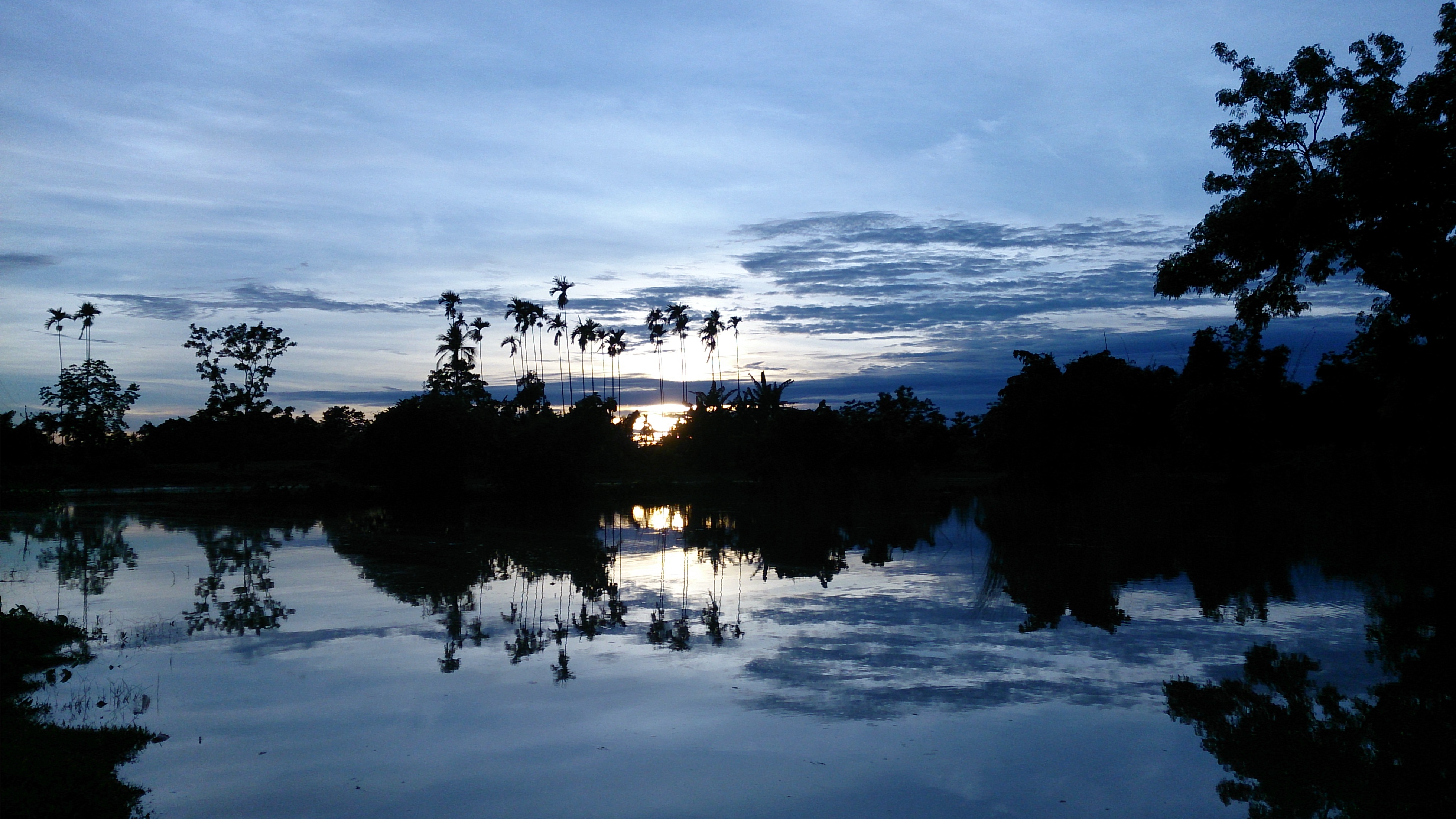
Assam’s Laokhowa Wildlife Sanctuary in Nagaon district records its first-ever sighting of the Smew (Mergellus albellus), a rare migratory waterbird. The same waterbird survey also documents the presence of the globally endangered Bengal Florican in the sanctuary.
Smew and Laokhowa Wildlife Sanctuary:
| Dimension | Key Details |
|---|---|
| Taxonomy | The Smew comprises a small species of diving duck belonging to the family Anatidae. |
| Location within sanctuary | The Smew is recorded across key wetland bodies (beels) of the sanctuary: Rowmari, Dondowa, and Muamari. |
| Ecological indicator | The Smew serves as a direct indicator of the health, water quality, and ecological stability of Laokhowa’s wetland ecosystem. |
| Breeding range | The Smew is native to the taiga and boreal forest zones of northern Eurasia, including Finland, Russia, and Scandinavia. |
| Migratory pattern | The Smew migrates south during winter to ice-free coastal waters, inland lakes, and river basins in Central Asia, Europe, and occasionally South Asia. |
| Physical traits | The Smew is recognized by distinct black-and-white breeding plumage in males, a “panda-like” facial mask, and a crest on the head. |
| IUCN Red List status | The Smew is listed as Least Concern globally. |
| Status in Indian subcontinent | The Smew is considered a rare winter visitor in the Indian subcontinent. |
| Co-sighting in survey | The same waterbird survey documents the presence of the globally endangered Bengal Florican. |
| Conservation actions | The conservation impact comprises anti-poaching, enforcement against illegal fishing, and habitat restoration drives across the Laokhowa-Burhachapori eco-landscape. |
| Sanctuary location | Laokhowa Wildlife Sanctuary is situated on the south bank of the Brahmaputra River in the Nagaon district of Assam. |
| Ecological connectivity | Laokhowa Wildlife Sanctuary forms a vital contiguous corridor within the broader Kaziranga-Laokhowa-Burhachapori-Orang landscape and facilitates animal movement across the Brahmaputra floodplain. |
| Habitat | Laokhowa Wildlife Sanctuary comprises alluvial grasslands, semi-evergreen forests, and a complex network of freshwater wetlands (beels). |
| Key fauna | Laokhowa Wildlife Sanctuary is historically famous for the Indian One-horned Rhinoceros, wild water buffalo, royal Bengal tiger, Asian elephant, and diverse migratory waterfowl. |