|
Meghalaya Inaugurates Centre of Excellence for Eri Silk Weaving
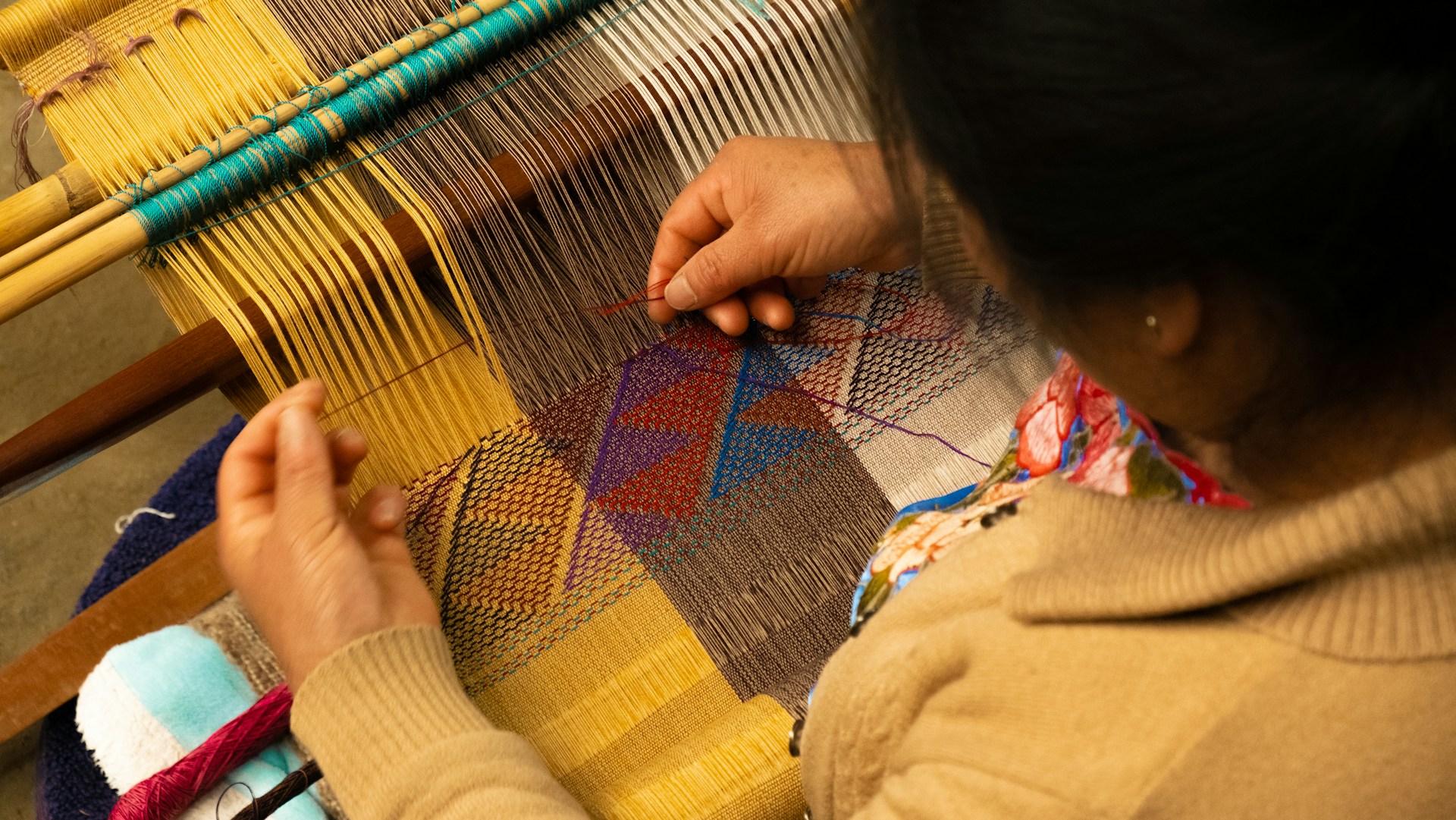
Meghalaya Chief Minister Conrad K. Sangma inaugurates a Centre of Excellence for Eri Silk Weaving. The news highlights Eri silk’s production features, its key producing states, and certification and institutional details linked to sericulture.
Eri Silk, Oeko-Tex Certification, and Sericulture in India:
| Dimension | Key Details |
|---|---|
| Eri Silk: Alternate Names | Eri silk is also known as “peace silk” and “ahimsa silk”. |
| Eri Silk: Production Method | The silkworm moth leaves the cocoon naturally before the fibers are spun, and the yarn is extracted without killing the silkworms. |
| Eri Silk: Texture and Finish | It has a wool-like texture, and it feels wool-like, soft, and matte. |
| Eri Silk: Spinning Feature | It is the only silk whose yarn is spun, not reeled. |
| Eri Silk: Fabric Character | Eri silk is a strong, heavy fabric that gets softer the more it is worn. |
| Eri Silk: Major Production Region | It is mainly produced in Northeast India, particularly in Assam and Meghalaya. |
| Eri Silk: State-wise Share | Assam produces roughly 65% of India’s total Eri silk. |
| Eri Silk: Other Producing States | It is also found in Bihar, Odisha, West Bengal, and Andhra Pradesh on a smaller scale. |
| Oeko-Tex Certification: Obtaining Body | The North Eastern Handicrafts and Handlooms Development Corporation Ltd. (NEHHDC), under the Ministry of Development of North Eastern Region, has obtained Oeko-Tex certification for eri silk from Germany. |
| Oeko-Tex: Coverage | Oeko-Tex is a worldwide certification for textiles such as yarns, fabrics, buttons, linens, terry cloth, thread, and other accessory materials. |
| Oeko-Tex: Testing Scope | It tests for harmful substances in raw, semi-finished, and finished textile materials and products. |
| Sericulture: Definition | Sericulture, also known as silk farming, is the commercial practice of cultivating and raising silkworms. |
| Silk: Epithet | Silk is renowned as the “Queen of Textiles”. |
| India: Global Rank in Silk Production | India is the world’s second-largest producer of silk, generating over 41,000 metric tons annually. |
| India: Commercial Production of Natural Silk Varieties | India commercially produces all major varieties of natural silk: Mulberry, Tropical Tasar, Oak Tasar, Eri, and Muga. |
| Weaving Centres and Styles | Kanchipuram, Varanasi, Bhagalpur, Sualkuchi, and Srinagar are each known for distinct weaving styles and craftsmanship. |
| Mulberry Silk: Major Producing States | Mulberry silk is produced mainly in Karnataka, Andhra Pradesh, Tamil Nadu, Jammu & Kashmir, and West Bengal. |
| Non-mulberry Silks: Major Producing States | Non-mulberry silks are produced in Jharkhand, Chhattisgarh, Orissa, and north-eastern states. |
| Muga Silk: State-wise Share | Assam produces about 95% of India’s Muga silk. |
| Central Silk Board: Establishment | It is established as a statutory body in 1948 by an Act of Parliament. |
| Central Silk Board: Headquarters | The Central Silk Board headquarters is in Bengaluru, Karnataka. |
| Central Silk Board: Parent Ministry | It is an autonomous body under the Ministry of Textiles. |