|
Nature Ecology & Evolution Study Tracks Butterfly Range Shifts Across 105 Countries
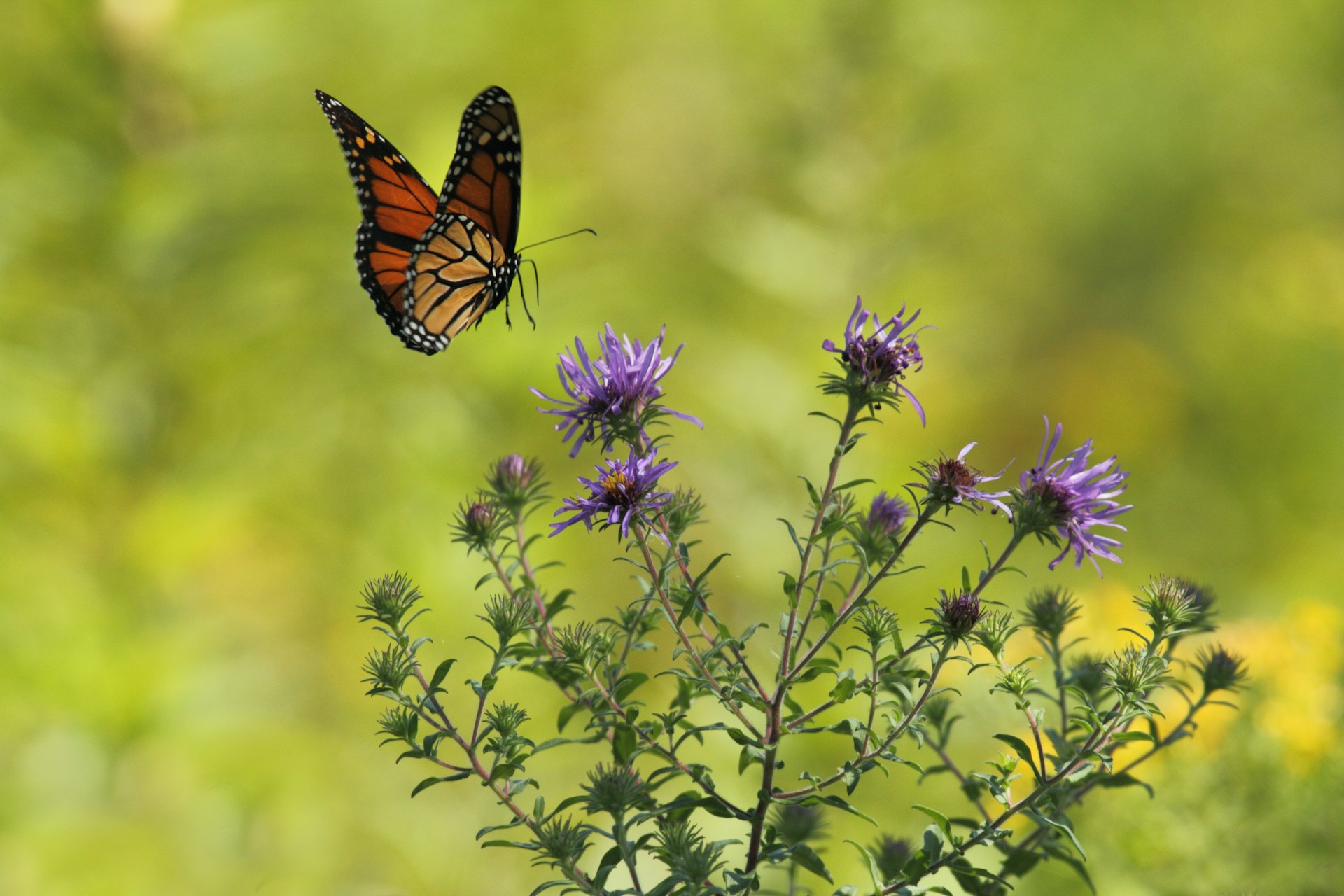
A global study published in Nature Ecology & Evolution assesses range shifts in 1,758 butterfly species across 105 countries. The study reports widespread horizontal and elevational distribution changes and links these patterns to climate and human-driven threats.
Nature Ecology & Evolution Study on Butterfly Range Shifts:
| Dimension | Key Details |
|---|---|
| Key finding | 80% of species expanded into new territories, and 79% shifted to cooler regions. 27% of species contracted ranges, and 22% shifted along elevational gradients. |
| Europe observations | Europe is a hotspot of range shifts, and Sweden reports 61% expansions and 85% contractions. |
| UK observations | The UK records the highest horizontal contraction at 63% and elevational shifts at 18%. |
| Mexico observations | Mexico is a hotspot for vertical shifts, with 39% of species showing such shifts. |
| India case study: species | Tawny Coster (Acraea terpsicore) is native to the Indian subcontinent. |
| India case study: expansion rate | Tawny Coster spreads across South Asia into Australia at 135 km per year. |
| Comparative shift rates | Painted Lady shifts upslope in Mexico at 83 m/year, and Queen butterfly shifts downslope at 32 m/year. |
| Concept used | The study cites “niche conservatism” as tracking suitable climates across vast distances. |
| Horizontal expansions: geography | Horizontal expansions are reported across all continents, including tropics such as Brazil and Benin. |
| Horizontal contractions: geography | Horizontal contractions are concentrated in temperate countries such as Belgium, the UK, and Sweden. |
| Elevational shifts | Elevational shifts are detected mainly in the Northern Hemisphere, and the tropics have fewer records despite steeper lapse rates. |
| Mountain species vulnerability | Two-thirds of butterflies are mountain dwellers, and these species are highly vulnerable as mountain climates degrade. |
| Threats | Threats comprise climate change and extreme weather; human intrusions and disturbance linked to contractions in 143 species; agriculture and aquaculture; residential and commercial development; invasive species; mining; and energy production. |
| Under-represented monitoring regions | Monitoring is under-represented in the Amazon Basin, Southeast Asia, and Central Africa despite high diversity. |
| Conservation-related observation | The study reports phenotypic plasticity, with butterflies expanding more than contracting due to adaptive strategies. |
| Micro-refugia | Micro-refugia comprise forested and shaded areas that act as refuges during hot days. |
| Planning implication | The study provides for a shift from static conservation to dynamic strategies. |
| Paris Agreement context | The study states that limiting warming to 1.5–2°C is crucial, and mitigation must pair with adaptation. |
| Measures listed | Measures comprise protecting micro-refugia, buffering habitat edges, and improving landscape connectivity. |