|
Pakistan Genomics Study Finds 6,476 Human Knockout Genes
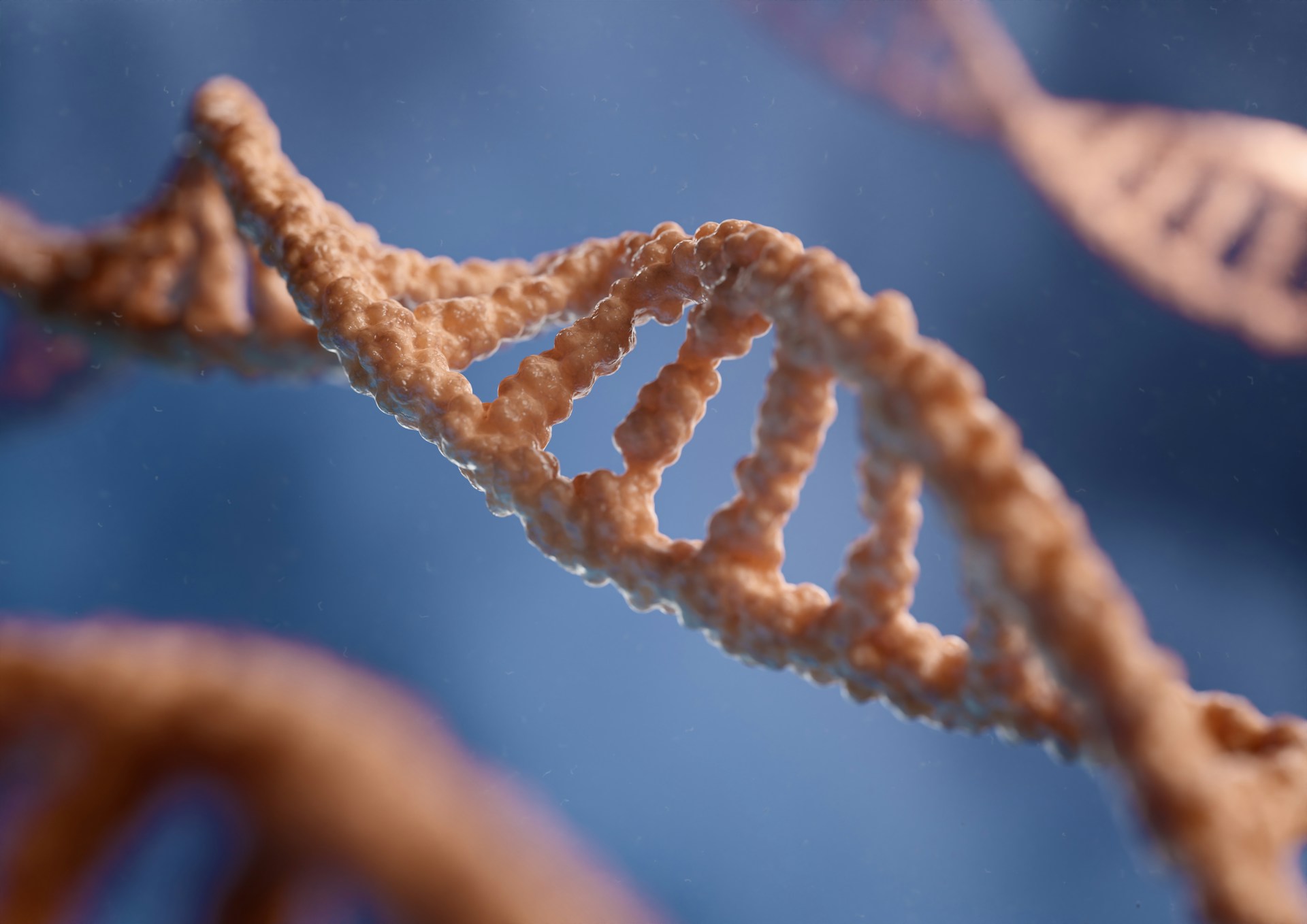
A recent population-scale genomics study from Pakistan provides for documentation of naturally occurring ‘human knockout genes’ at an unprecedented scale. The study output comprises human knockouts involving 6,476 genes, and it also comprises a ‘recall by genotype’ approach.
Pakistan Genomics Study:
| Dimension | Key Details |
|---|---|
| Knockout gene | A knockout gene comprises a gene whose function is effectively switched off because loss-of-function (LoF) mutations disrupt its activity. |
| Human knockout genes | Human knockout genes comprise cases where both copies (maternal and paternal) of a gene carry disruptive variants, and the person may have little or no functional protein from that gene. |
| Consanguinity | Consanguinity comprises a blood relationship between two people who share a common ancestor. |
| Consanguinity and inheritance | Consanguinity comprises a factor that increases the likelihood of inheriting the same rare recessive variant from both parents. |
| Medical importance of human knockouts | Medical importance comprises identification of whether a gene causes disease when lost, whether gene loss has beneficial effects, and whether a gene is a good or bad drug target. |
| Recent study dataset and scale | The recent study comprises analysis of 1,73,303 people and human knockouts involving 6,476 genes, demonstrating the value of population-scale genomics. |
| Recall by genotype | The study comprises demonstration of the value of ‘recall by genotype’. |
| APOC3: observed phenotype and drug link | Lacking functional copies of APOC3 comprises substantially lower fasting triglyceride concentrations and a smaller rise in triglycerides after consuming a fat-rich meal; olezarsen comprises a medicine designed to reduce APOC3 production. |
| PLA2G7: observed phenotype and drug link | Loss of the gene PLA2G7 comprises substantially reduced Lp-PLA2 levels; darapladib comprises a drug designed to inhibit the same enzyme and it has already failed to improve outcomes in large cardiovascular trials. |
| CIDEB: observed association | Loss of the gene CIDEB comprises association with lower liver enzyme concentrations and a lower risk of fatty liver disease. |
| LRRK2: therapeutic target | The gene LRRK2 comprises an important therapeutic target in Parkinson’s disease. |
| India relevance: GenomeIndia sequencing | GenomeIndia comprises sequencing of 10,000 genomes from 83 population groups, providing an important reference map of Indian genetic variation. |
| Key limitation noted | The key limitation comprises that a person may naturally live their whole life without a working gene, but a drug may only block that gene partly and only after adulthood. |