|
Road Transport Emissions in India
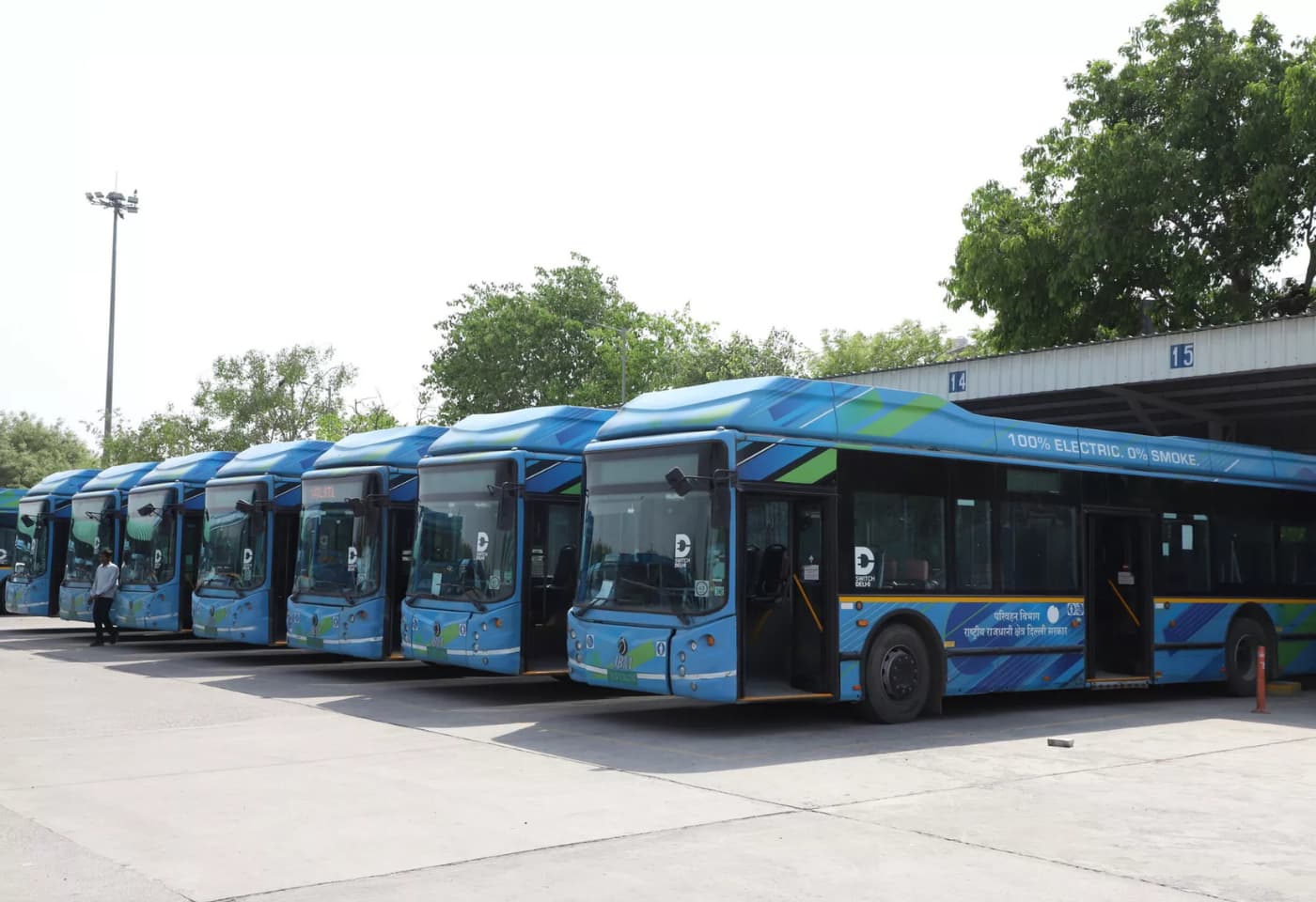
A study by the International Council on Clean Transportation (ICCT) reports quantified health impacts from road transport emissions in India and links benefits to a full shift to zero-emission transport. The study highlights 2024 pollution-linked mortality and childhood asthma burdens, with specific emphasis on NCR and Delhi, and provides recommendations on electrification and vehicle retirement.
ICCT Study: Road Transport Emissions in India
| Dimension | Key Details |
|---|---|
| Study and estimate | The ICCT study comprises an estimate that India could prevent 1.7 million premature deaths by 2050 if it fully shifts to zero-emission transport. |
| 2024 health linkage | Road transport pollution 2024 data comprises linkages to 1 premature death every 6 minutes and 1 new childhood asthma case every 34 minutes. |
| Global share | India comprises 13% of global premature deaths attributable to road transport emissions. |
| Regional impact: NCR | NCR comprises nearly 25% of India’s childhood asthma cases from road transport, despite only 5% of India’s population. |
| City-specific: Delhi (2024) | Delhi comprises 2,800 premature deaths and 1,500 new paediatric asthma cases in 2024 from road transport emissions. |
| Air pollutant: NO₂ in NCR | NO₂ levels in NCR comprise values above the WHO annual guideline of 10 µg/m³. |
| Major contributors: heavy-duty vehicles | Heavy-duty vehicles comprise 79% of tailpipe nitrogen oxides emissions and 64% of tailpipe PM2.5 emissions. |
| Zero-emission transport and policy measures | The study recommendations comprise a fast transition to electric trucks and buses, phase-out of older high-emitting vehicles, accelerated adoption of low- and zero-emission vehicles, stronger oversight to retire high-polluting vehicles, and prioritisation of high-exposure regions such as NCR for transition. |