|
Study of eight tribal communities maps diet influences on gut bacteria
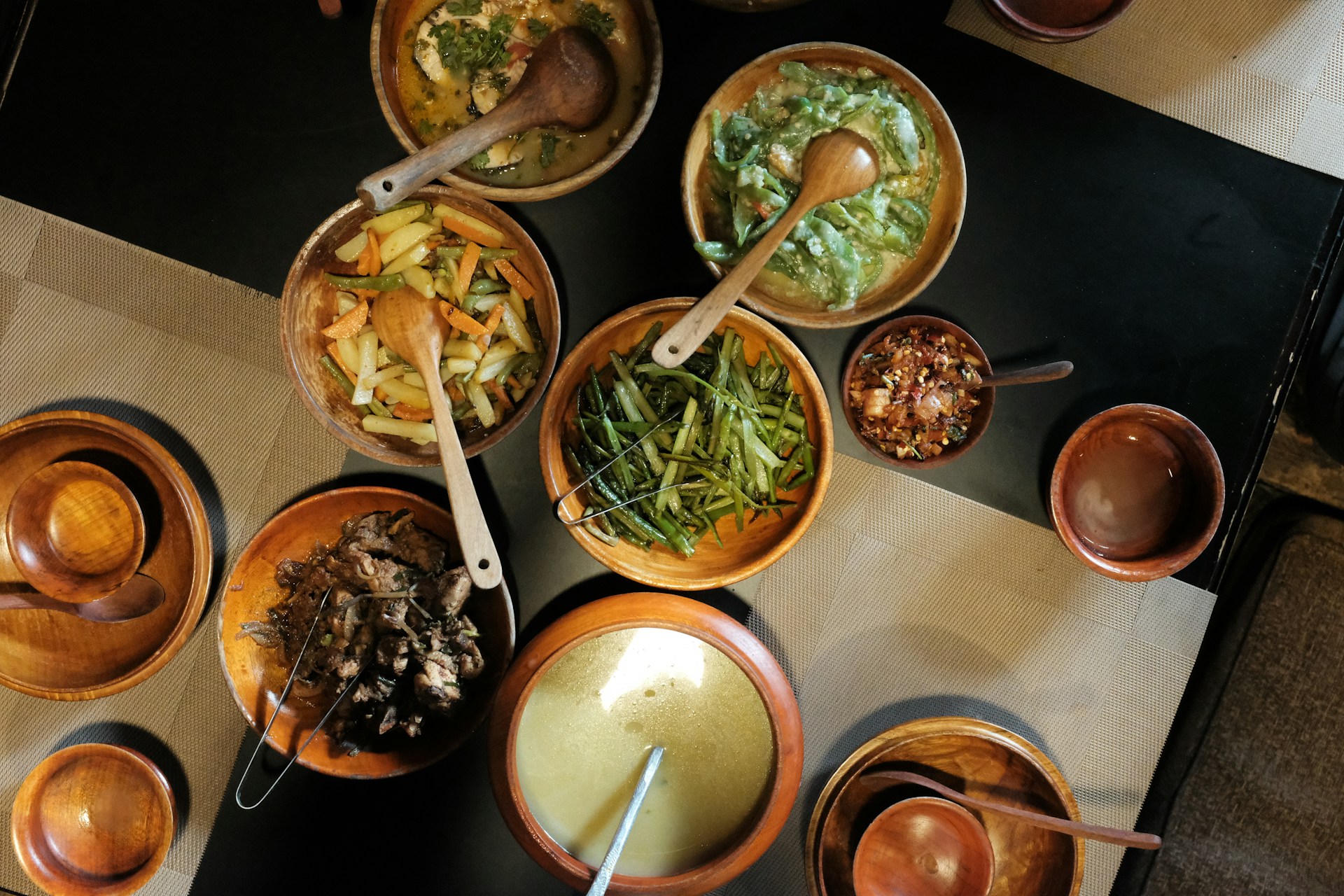
Researchers from BRIC-National Centre for Cell Science (NCCS), Pune, and Stanford University study 8 Indian tribal communities across 4 geographically diverse regions of India and link traditional diets to distinct gut bacteria and locally adapted microbial strains. The study analyses stool samples and dietary habits using advanced DNA sequencing and flags the need for India-specific microbiome research and probiotics.
Tribal Diet-Gut Microbiome Study:
| Dimension | Key Details |
|---|---|
| Communities studied | The study analyses healthy adults from the Warli, Gond, Madia, Kabui, Boto, Balti, Brokpa, and Purigpa communities. |
| Trans-Himalayan diet items | The 4 trans-Himalayan groups regularly consume milk, homemade butter, wheat, barley, rice, turmeric, and chilli. |
| Microbiome diversity finding | The communities have more diverse gut microbiomes compared to people who do not widely consume the listed foods. |
| Bifidobacterium level finding | The communities have significantly higher levels of Bifidobacterium compared to people who do not widely consume the listed foods. |
| Bifidobacterium | Bifidobacterium comprises bacteria known to break down carbohydrates and is commonly used in probiotic products. |
| Microbial gene finding (trans-Himalayan participants) | Gut microbes carry distinct and diverse genes involved in digesting lactose, galactose, and grain-derived carbohydrates. |
| Other influencing factors | Other than food, geography, altitude, and lifestyle may also influence gut microbes. |
| Strain-level finding | Strains of Bifidobacterium adolescentis isolated from participants are genetically distinct from many strains commonly found in industrialised countries. |
| Indian strain gene characteristic | The Indian bacterial strains carry unique combinations of carbohydrate-processing genes. |
| Probiotics caution | Researchers caution against assuming that all probiotic strains behave similarly simply because they belong to the same bacterial species. |
| Probiotics implication | The findings raise the question of whether probiotics developed in Western countries are equally effective for Indian populations. |
| Suggested research direction | The study highlights the need to evaluate imported probiotics in Indian populations and develop indigenous probiotic strains based on healthy Indian microbiomes. |