|
Zinc-Air Battery Chemistry Explained
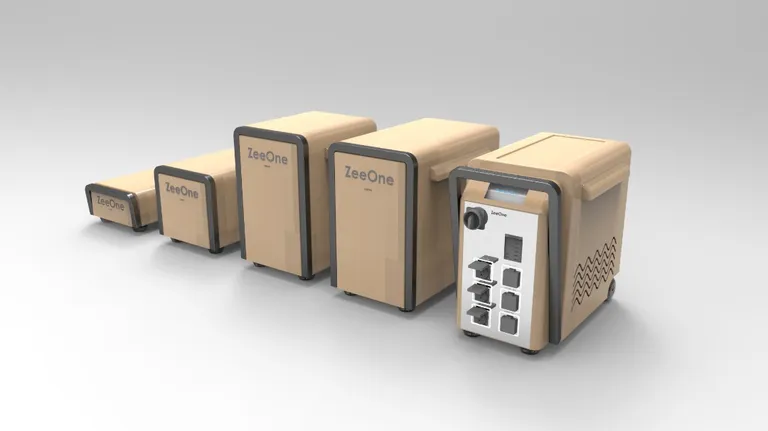
Scientists at SASTRA Deemed University develop a nanofluid electrolyte and waste-derived catalysts to enable electrically rechargeable zinc-air batteries (ZABs). The development addresses electrolyte corrosion and oxygen reaction kinetics while using recycled materials like used water filters and old face masks in battery components.
Zinc-Air Battery (ZAB):
| Dimension | Key Details |
|---|---|
| Battery type | Zinc-air battery (ZAB) provides for a metal-air battery chemistry. |
| Electricity generation | Electricity generated via oxidation of zinc at the anode and reduction of oxygen at the air cathode. |
| Electrolyte | Electrolyte is often aqueous in rechargeable zinc-air battery designs. |
| Advantages | Advantages comprise high theoretical energy density, abundant zinc, and safer water-based chemistry. |
| Problem with conventional electrolytes | Conventional electrolytes need costly corrosion inhibitors, which hinder oxygen reaction kinetics. |
| Key innovation | Solution comprises dispersing silica and zinc oxide nanoparticles into a standard electrolyte to form a nanofluid electrolyte. |
| Nanoparticle addition: effect | Adding silica and zinc oxide nanoparticles fixes corrosion and boosts efficiency, making zinc-air batteries cheaper, safer, and longer-lasting. |
| Waste-derived material: filter carbon | Used water filters are turned into battery components, cutting material costs and reducing landfill waste. |
| Waste-derived material: upcycled masks | Old face masks become high-performance carbon catalysts, matching expensive platinum in battery efficiency. |